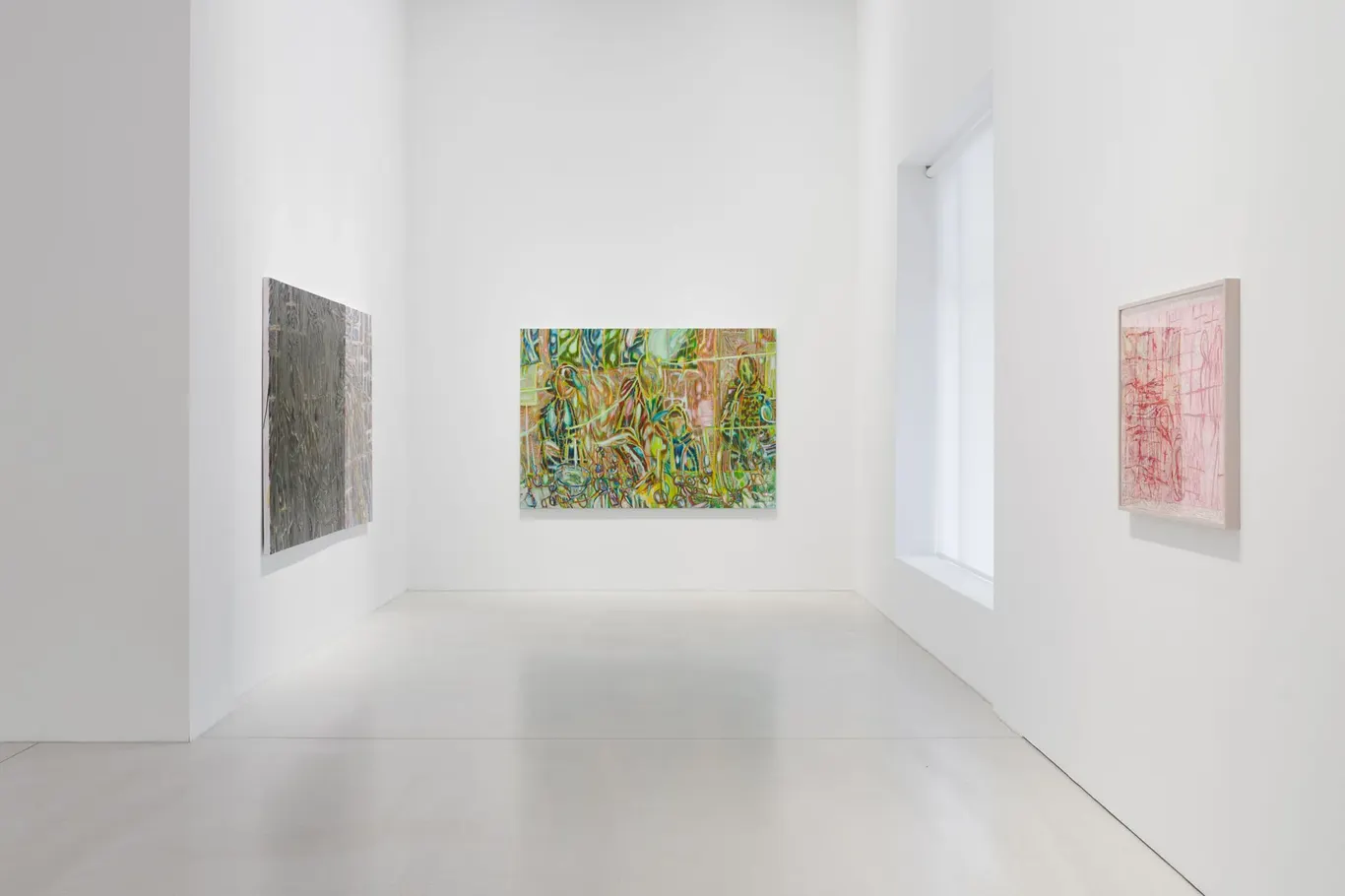
Pleiades
Tuesday–Saturday: 12pm–6pm
1999, the day of the great eclipse. The neighborhood’s residents had gathered. A motley crowd. Each one held in hand a fragment of cut medical X-ray film, scrutinizing the celestial phenomenon through it. The painter, for his part, watched the watchers. Suddenly the eclipse’s light revealed the fragmentary images held within the radiographs. “I have no memory of the sun, only of what appeared to me then: opaque bodies gazing at the sun through images of transparent bodies.”
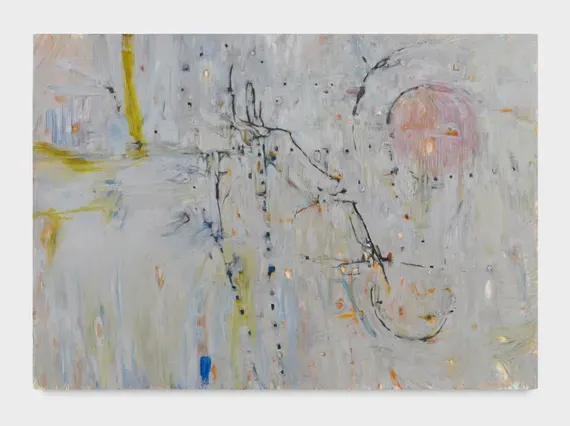
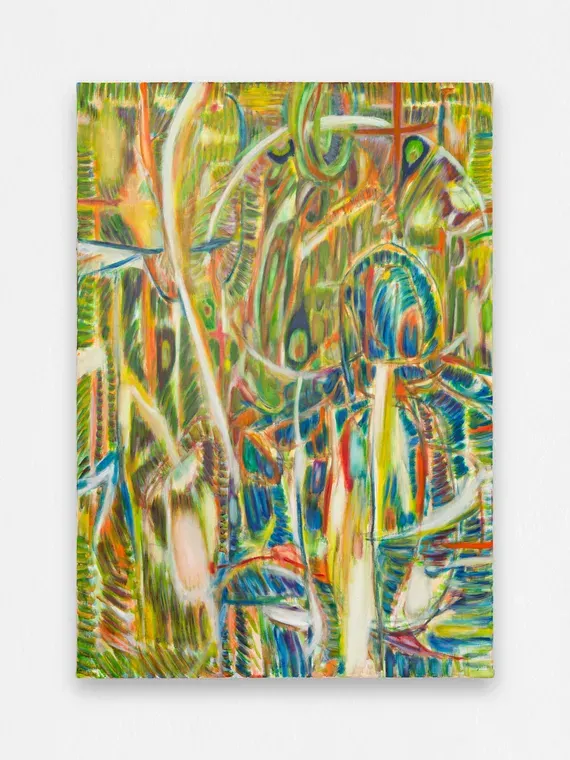
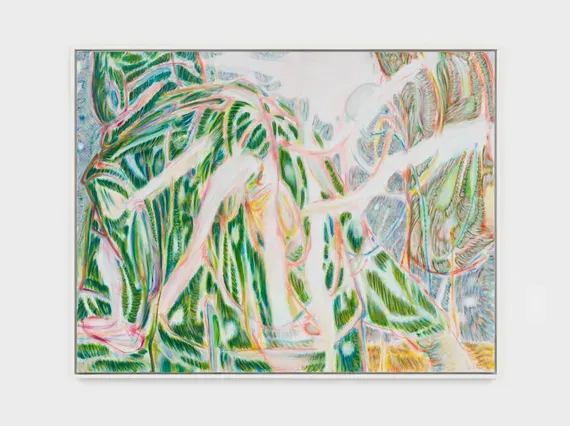
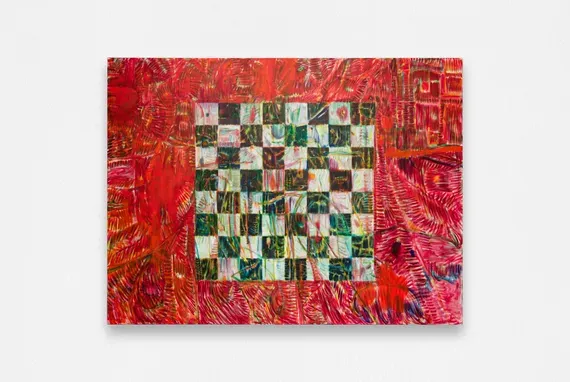
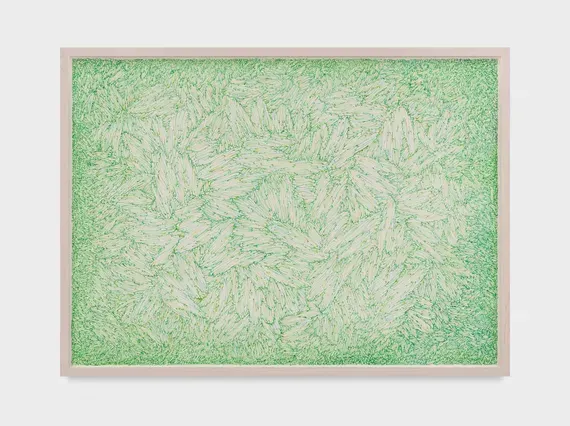
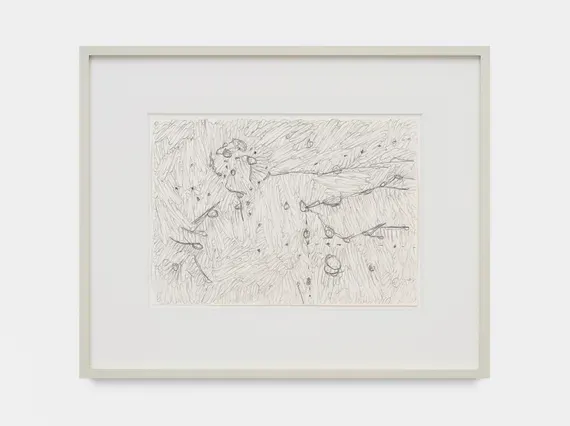
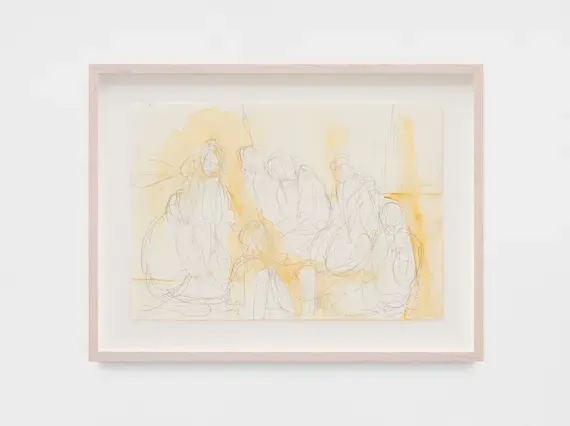
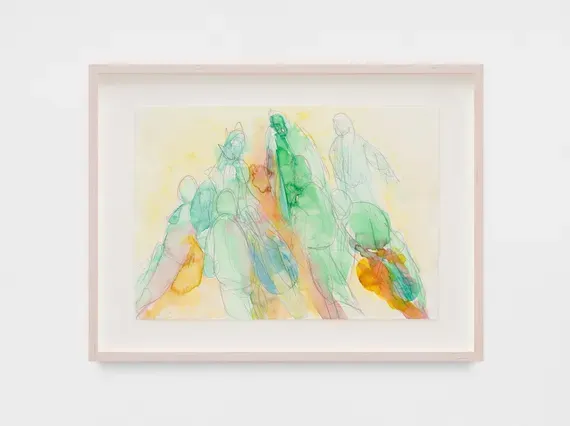
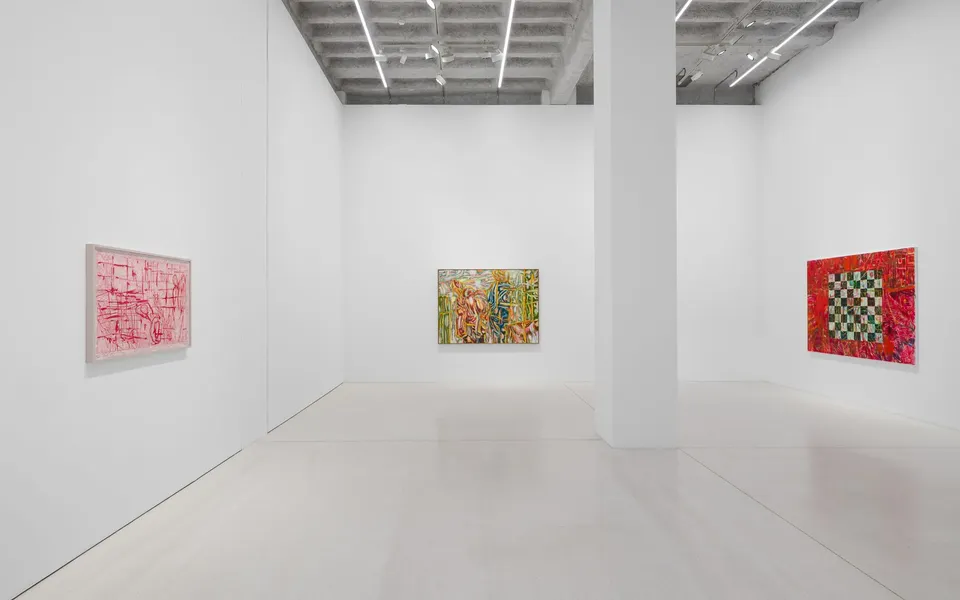
What becomes of a living, branching thought when it sheds its words to advance, under cover, into the field of colors and forms? The philosophical or metaphysical treatise undergoes its metamorphosis and becomes a talisman, the other name for a painting when it retraces the soul’s initiatory path.Line and touch unfold simultaneously from a double anchorage: the motif perceived by the eye, and the invisible flash of the idea. To paint, then, becomes a reflexive act. This is precisely what Achraf Touloub’s painting embodies.The strength and the relevance of his work lie not in expressing a thought or an idea, but in constructing it, in folding it into the very substance of the work.If Achraf Touloub’s painting gives body to thought, it likewise strips bodies and objects of their materiality. The artist paints transparent territories, traversed by the gaze. He paints flows of capital, of information, of populations.To write is not to describe, and to paint is not to depict, as Georges Braque so brilliantly put it.Scene or stage: the protagonists merge with the setting, form with ground, figure with space. Everything is porous, crossed through by currents of living force. The Pleiades dwell alongside bodies, fullness alongside emptiness, noise alongside silence, sensation alongside idea, the near alongside the far, myth alongside sensation.Such is the price at which painting rises from form to myth.David Rosenberg
Works
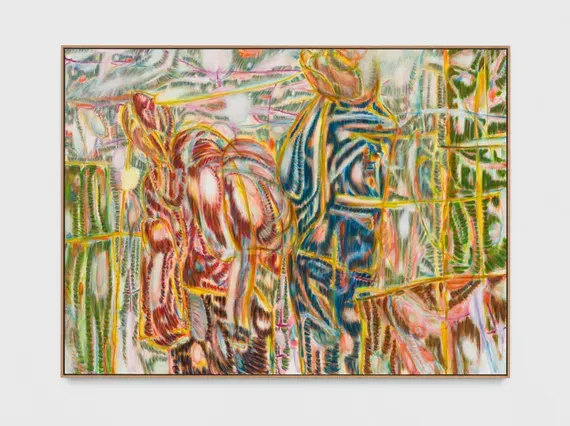
Achraf Touloub
Pléiades
2026
Oil on canvas
140 x 190 cm
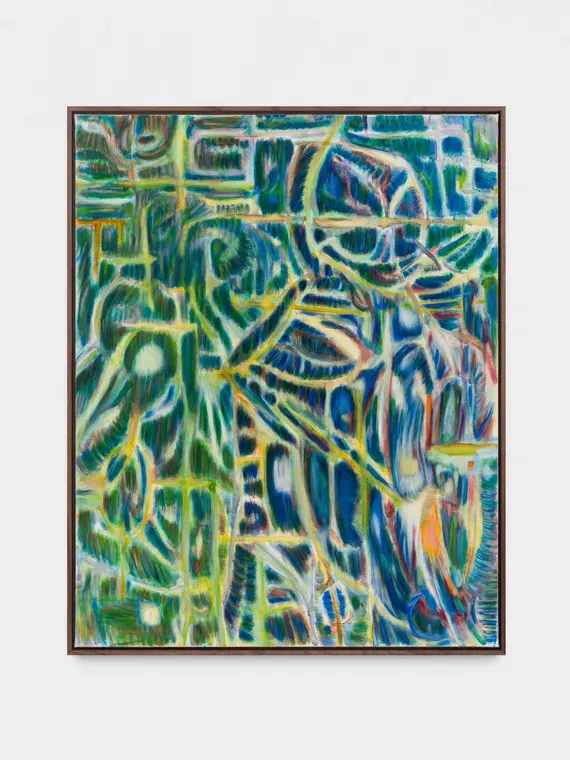
Achraf Touloub
Abu Ismaîl (viral and metaleptic)
2026
Oil on canvas
92 x 73 cm